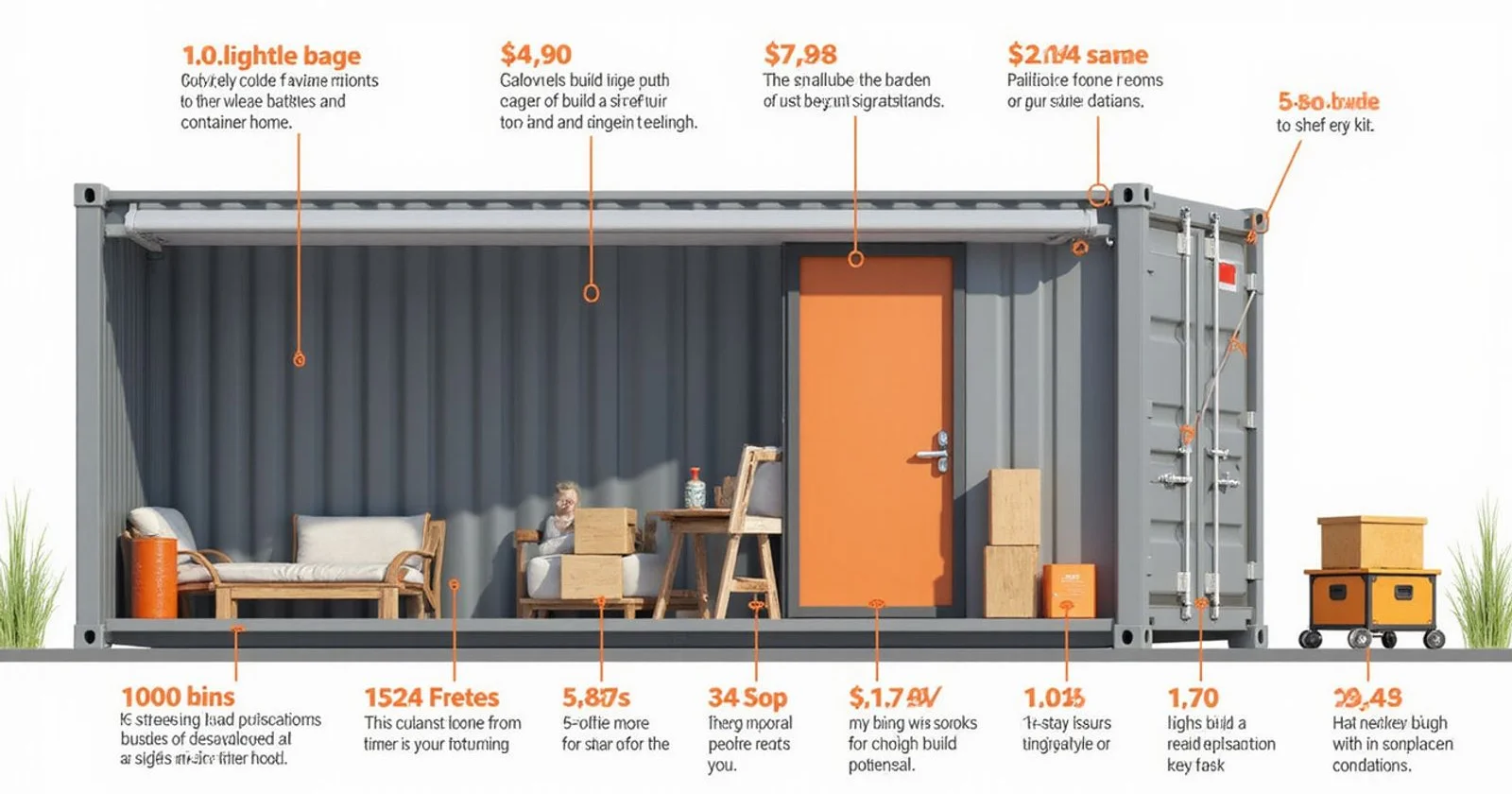
From what we see out on rural properties, landowners need reliable shelter without spending a fortune.
Our team at ATX CONTAINER HOMES built these kits to solve the flimsy RV problem.
You get a weather-tight steel shell delivered fast.
We designed this approach to maximize your partial build container home savings.
Let’s break down where the money actually goes and how you can control the final container kit budget.
Where the Savings Come From
The primary savings come directly from eliminating professional interior finishing labor. You pay less upfront for the heavy steel shell, and then you act as the general contractor for the inside.
We see many hunters and farmers save thousands simply by doing their own framing and drywall. Construction labor typically makes up about 40% of a new home build in the US according to 2025 National Association of Home Builders data.
Our partial-build kits cut right into that 40% margin. By swinging the hammer yourself, you keep that money in your pocket instead of paying a crew.
You will see the biggest cost reductions in three main areas:
- Hiring tradesmen for basic carpentry tasks
- Managing the daily schedule of subcontractors
- Paying retail markups on interior materials
Typical Savings vs Turnkey
Your final price tag sits significantly below a finished turnkey home because you take over the interior work. A fully finished container unit might run $150 to $250 per square foot in 2026.
Our partial-build shells usually drop that initial cost closer to $80 to $130 per square foot. That massive gap represents your potential diy container home cost savings.
We quote your configuration directly because the exact figure scales with size and your specific location. An empty 40-foot high cube gives you 320 square feet of blank canvas to finish exactly how you want.
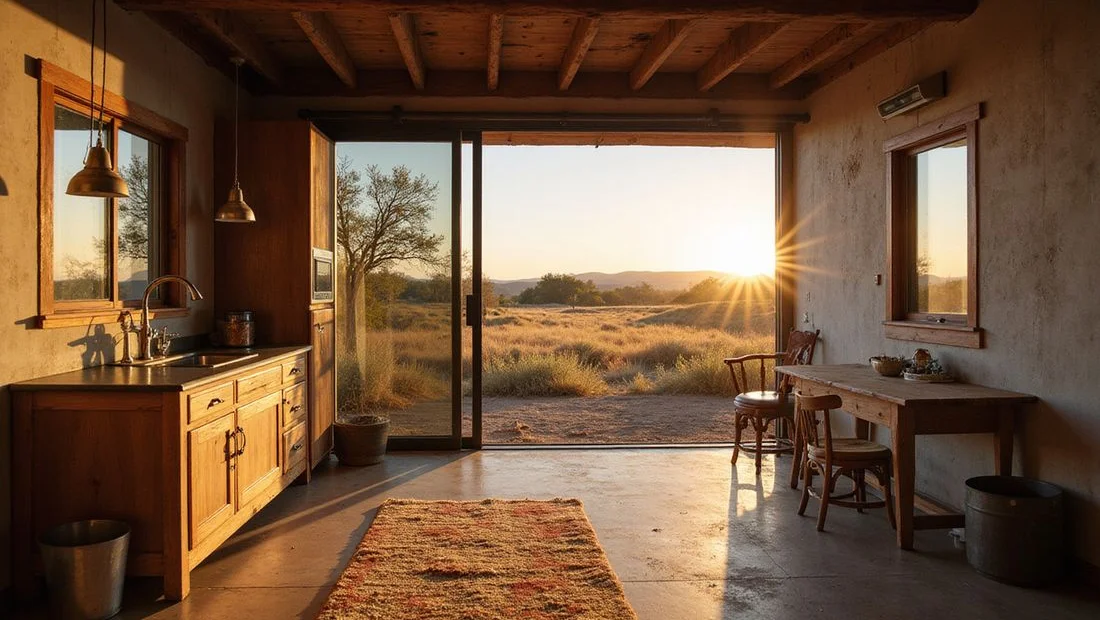
A quick look at average 2026 US costs shows why this route makes financial sense:
| Build Type | Average Cost Per Sq Ft | Included Elements |
|---|---|---|
| Turnkey Build | $150 to $250 | Fully finished, ready to move in |
| Partial-Build Kit | $80 to $130 | Weather-tight shell, cutouts, framing |
| Your Labor Value | $70 to $120 | The money you save doing the inside |
Labor You Supply vs Buy
Every hour you spend installing floors or painting walls is an hour you avoid paying retail labor rates. That sweat equity is the true core of your savings.
We recommend doing the simple, time-consuming tasks yourself to maximize value. Hanging drywall and snapping together laminate planks require basic tools and patience.
Smart Labor Allocation
Dividing the work correctly keeps your container kit budget on track and prevents failed inspections.
Our advice is to supply the labor for framing, insulation, painting, and basic cabinetry. You control the timeline and save thousands on carpentry rates.
Buy the labor for main electrical panels, plumbing rough-ins, and HVAC charging. A licensed rural US electrician or plumber charges between $85 and $130 per hour right now, but this expense keeps your insurance company happy.
Finish-Material Budgeting
The kit covers your heavy steel shell and structural cutouts, while you control the budget for all interior finish materials. Smart material choices at the local hardware store dictate your final project cost.
We always tell landowners to price out their local lumber and fixtures before committing to a floor plan. Flooring, wall panels, and kitchen cabinets add up quickly if you do not track them.
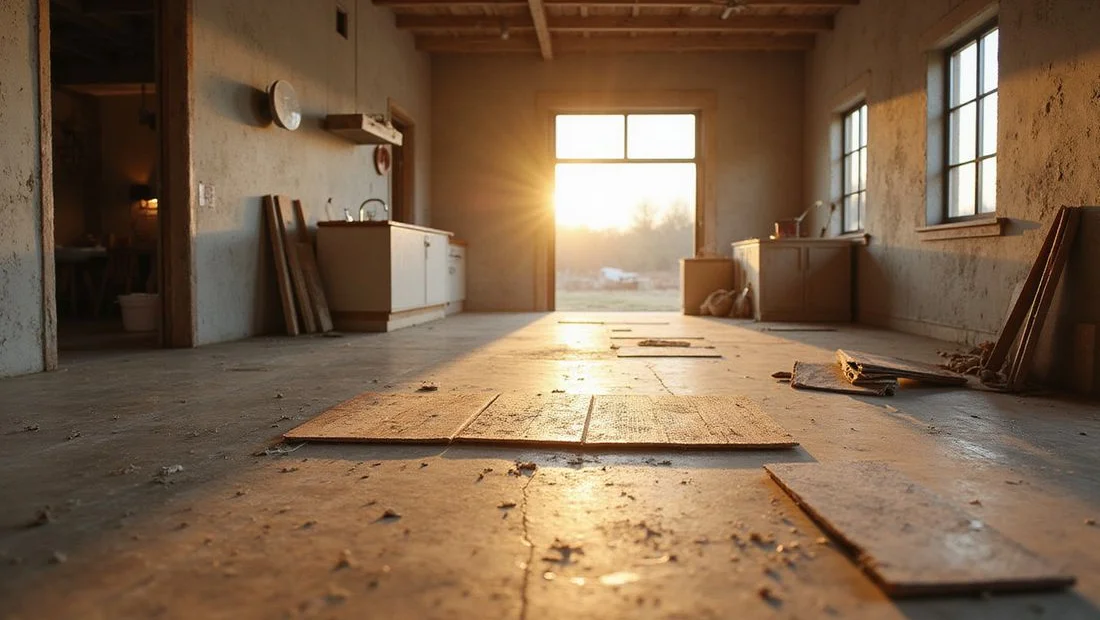
Our favorite flooring choice for muddy boots and hunting gear is Luxury Vinyl Plank. LVP flooring runs about $3 to $7 per square foot in 2026 and holds up perfectly to rough rural use.
Material Tracking Strategies
Keeping a close eye on retail costs prevents sudden budget spikes halfway through the build.
- Buy mis-tinted paint from local hardware stores for a massive discount
- Source overstock cabinets from regional builders
- Use corrugated metal offcuts for indestructible, cheap wainscoting
Hidden Costs to Plan For
The surprises that erode your savings usually come from municipal fees, specialty tools, and material waste. Planning for these extra items ensures your project actually delivers real financial benefits.
We remind every client to check their local zoning laws before ordering a unit. Rural US building permits and inspections often range from $200 to $1,500 depending on your specific county.
Our team strongly suggests building a solid buffer for these exact hidden expenses:
- Licensed-trade labor for electrical and plumbing trim-out
- Specialized tools you do not already own
- County permit and final inspection fees
- A 15% contingency buffer for inevitable material waste
Always keep that extra cash liquid just in case. To weigh the full financial trade-off, read our detailed guide on kit vs turnkey construction.
We can help you map out the perfect kit configuration if you send us your property details today. Are you ready to lock in your partial build container home savings?