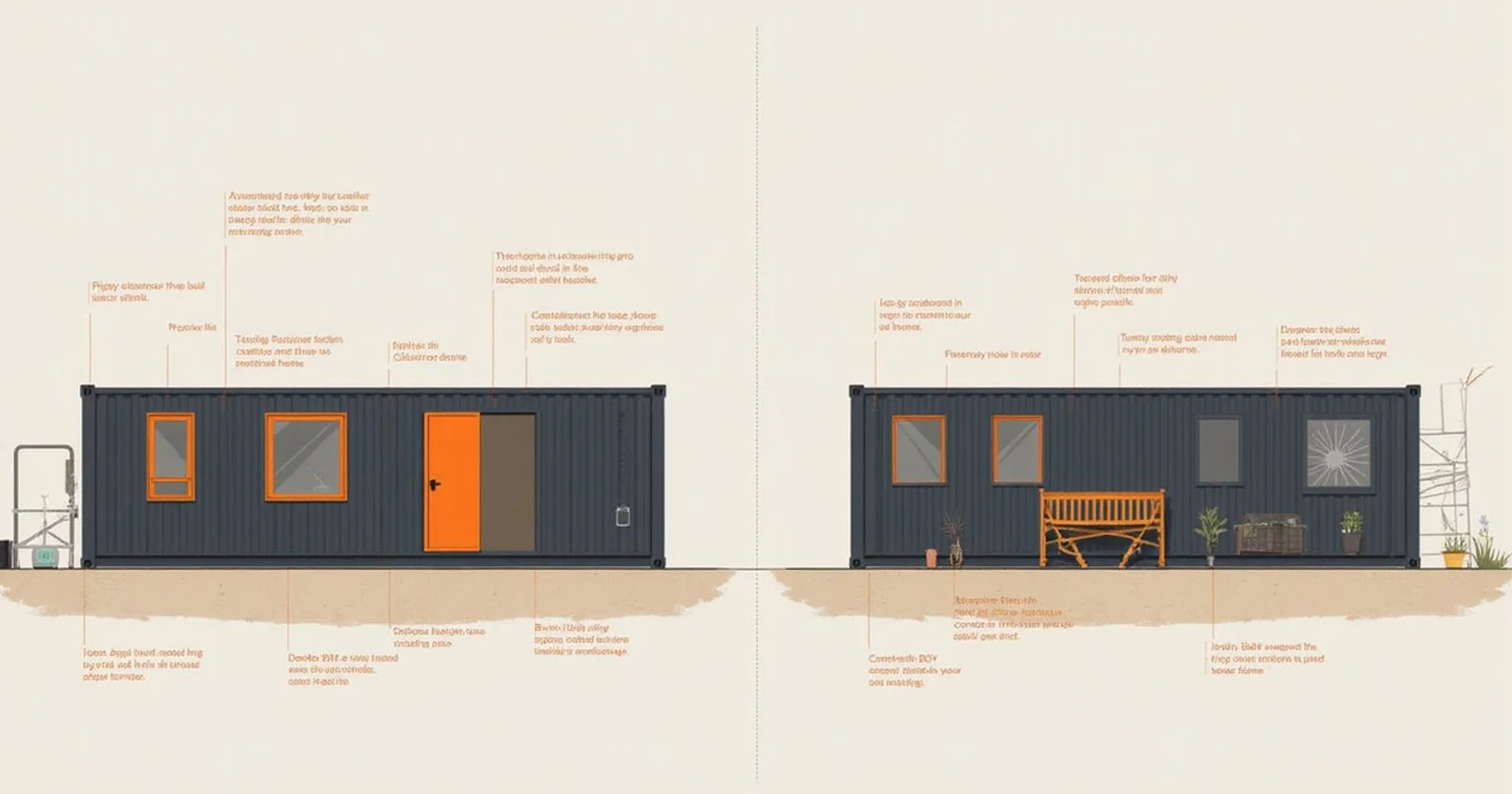
We talk to rural landowners every week who need reliable housing fast. That 320-square-foot steel box is a fantastic alternative to a flimsy RV out in the woods.
Modern prefab units are proving more practical for agricultural land in 2026 than traditional builds. Our team sees constant debate over the DIY kit vs turnkey container home decision.
The choice completely depends on how quickly you need a roof over your head.
A close look at current market data provides a clear roadmap for this decision. We are going to break down the main cost differences and walk through the exact timelines you should expect.
Two Ways to Get the Same Shell
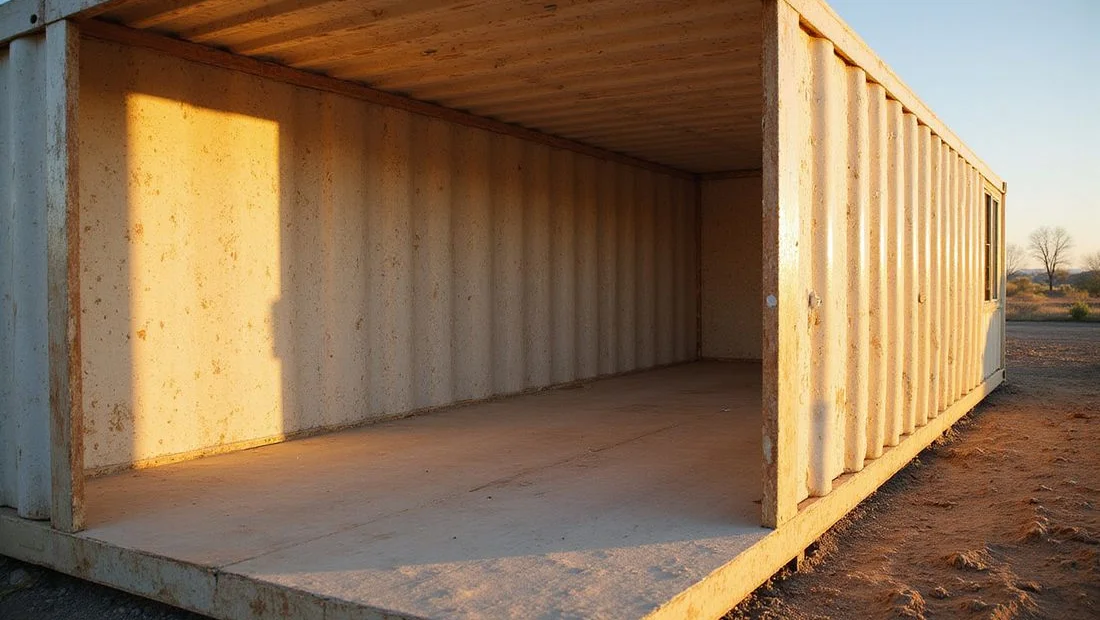
A DIY kit vs turnkey container home comparison starts from the exact same reinforced, spray-foamed shell. These structures typically use new one-trip High Cube containers measuring 40 feet long and 9.5 feet tall. Our standard shells feature high-performance closed-cell spray foam insulation to provide three main benefits:
- Blocking out extreme summer heat
- Maintaining a comfortable interior climate year-round
- Preventing moisture and condensation buildup inside the walls
Moisture control is a major priority for agricultural workers needing long-term durability. An R-value of R-20 on the walls keeps the interior completely dry and comfortable. We seal the entire exterior envelope to prevent rust issues down the road.
The difference is who finishes the inside of the building. That one choice drives cost, time, and how personal the hunting cabin or farmhouse feels. Our goal here is to provide a strictly honest comparison between these two paths.
Cost Delta
If you are wondering, is a DIY container kit cheaper, it is definitely the lower entry point for a new property. You pay significantly less up front because you supply the interior labor and materials yourself. We provide a detailed breakdown in our guide on partial-build savings to quantify this exact gap.
Current 2026 market data shows finished turnkey container homes average between $150 and $350 per square foot. A fully finished 320-square-foot hunting cabin can easily cost around $75,000 prior to land prep. Our turnkey pricing includes all the professional plumbing, electrical work, and high-end cabinetry.
A DIY approach can drop your total investment closer to $35,000 for a small build. Hidden costs do pop up frequently during self-guided projects. We always warn clients about structural modifications that require expensive steel reinforcement.
| Cost Factor | DIY Kit Estimate (2026) | Turnkey Home Estimate (2026) |
|---|---|---|
| Base Shell (320 sq ft) | $15,000 - $25,000 | Included in total |
| Interior Finishing | $10,000 - $20,000 (Materials only) | Included in total |
| Total Average Cost | $35,000 - $55,000 | $75,000 - $110,000 |
Every door or window cut requires certified welding that can add $5,000 to $20,000 to a budget. Tool rentals and local permit fees also eat into those initial material savings. Our customers save the most money when they have prior carpentry or construction experience.
Time and Effort Delta
A factory-finished turnkey home is completely move-in ready the day it lands on your property. Delivery and installation for a prebuilt unit usually takes only three to ten days on-site. We coordinate the heavy crane placement and final utility hookups to eliminate any guesswork.
When comparing a container kit vs finished home, the kit takes as long as your finishing work runs. This timeline stretches anywhere from a few fast weekends to an entire hunting season. Our team notices that most DIY builders spend six to twelve months completing a full interior buildout.
You are trading sweat and personal time for a significantly lower purchase price. Common time-consuming DIY tasks include framing, plumbing, and electrical rough-ins. We provide a comprehensive checklist to help you track these specific interior phases.
- Hanging and finishing drywall in tight residential spaces
- Installing MRCOOL mini-split air conditioning units
- Running PEX plumbing lines to the kitchen and bathroom
- Laying down waterproof luxury vinyl plank flooring
Balancing weekend construction hours with a full-time job is a common struggle. A realistic schedule prevents burnout halfway through the year. Our project managers strongly advise pouring your foundation before ordering materials.
Proper site preparation accelerates the entire schedule. Having a flat concrete slab or a sturdy pier foundation ready saves weeks of delays. We require clear access roads to drop the modules safely on your land.
Control Over Finishes
With a kit you pick every surface, fixture, and finish for the interior. The final home reflects your taste and budget exactly because you source the materials. Our standard turnkey models come with a specific set of high-quality finishes.
Buyers can select attractive upgrades like quartz countertops or custom tile showers. You cannot build the interior completely from scratch with a prebuilt option. We utilize durable Tyvek house wrap and premium insulation on all factory builds.
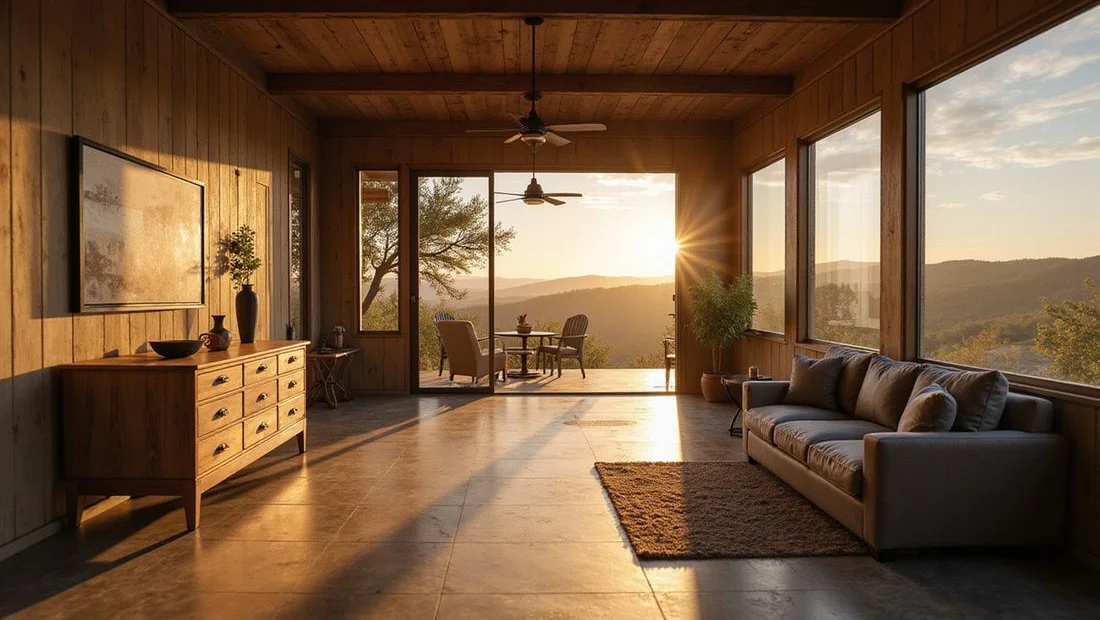
DIYers have the freedom to hunt down reclaimed wood or surplus building supplies. Using salvaged materials keeps the project costs incredibly low. Our clients often install smart home features or specialized hunting gear racks themselves.
“The ability to source local, reclaimed materials for the interior is the biggest financial advantage of choosing a DIY container kit.”
This level of customization creates a highly personalized rural retreat. We love seeing the creative layouts people design inside these versatile steel shells.
Financing Considerations
A turnkey home is a single, finished purchase that is much simpler to finance through a bank. These completed structures often qualify for FHA One-Time Close construction loans with just a 3.5% down payment. Our sales team regularly guides buyers through the paperwork for these government-backed mortgages.
Comparing Loan Options
A kit spreads the total cost out over time during the construction phase. This method requires budgeting separately for raw materials, specialized trades, and unexpected tool rentals. We strongly suggest establishing a realistic cash reserve before starting any DIY interior work.
Traditional construction loans demand licensed contractors and strict draw schedules. Banks rarely approve standard mortgages for self-built container projects without professional engineering plans. Our customers building kits usually rely on personal loans or self-directed retirement accounts instead.
Home equity lines of credit are another excellent tool for funding a kit. Current 2026 rates for US home equity products range from 5.25% to 7.5% depending on your credit profile. We advise factoring these exact interest rates into your total project budget.
Who Each Suits
Choose a kit if you have carpentry skills, want total control, and possess plenty of free time. A self-built space makes a fantastic off-grid hunting cabin if you enjoy physical labor.
Our DIY container home kits provide the heavily reinforced starting point so you can focus on the fun interior details. Choose a turnkey option if you want to skip the manual work entirely.
Professionally finished units let you move in fast and focus on enjoying your rural property. Our fully constructed homes eliminate the stress of managing weekend building schedules.
Both paths deliver the exact same durable, weather-resistant steel shell to your land.
The right choice between a DIY kit vs turnkey container home simply comes down to your personal abilities, your true budget, and your actual timeline. We invite you to contact the ATX CONTAINER HOMES team today to discuss your next project.