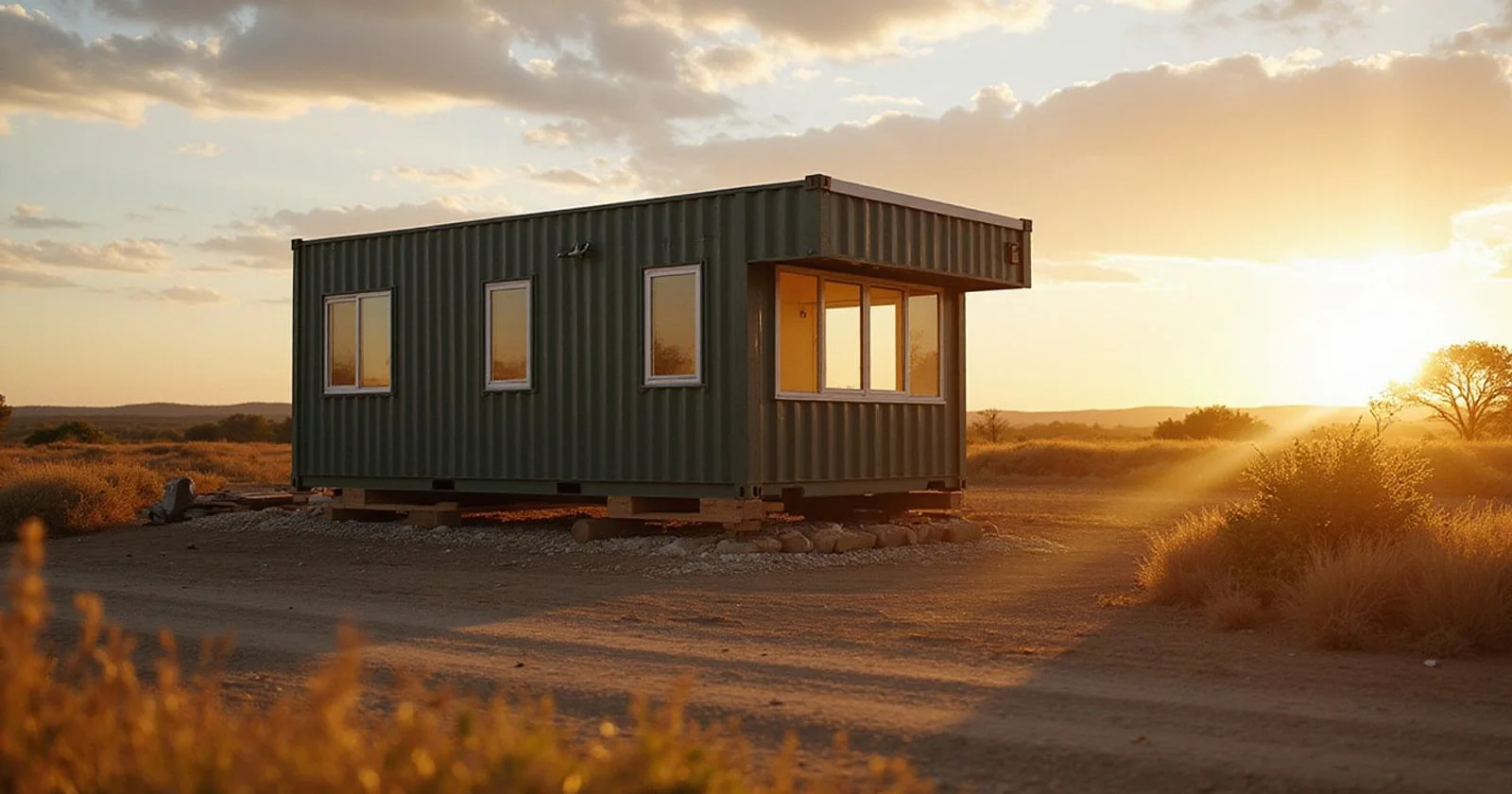
You probably notice how quickly rural property is changing hands lately.
The 2025 USDA land values report shows average US cropland prices hitting $5,830 per acre.
Finding a great parcel is an exciting milestone. Many buyers purchase these lots to set up a container cabin on rural land. Placing a structure on that untouched soil requires exact logistical planning.
Our focus at ATX CONTAINER HOMES remains on premium modular solutions prioritizing both durability and design. The next step is examining the exact site preparation procedures needed for a fast deployment. We will look at the delivery constraints, foundation requirements, and utility setups you need to know.
Putting a Cabin on Untouched Land
Setting up your structure on raw acreage requires establishing clear access, grading a flat pad, and installing a reliable foundation before the truck ever arrives. Undeveloped property offers a classic footprint for your build, but it rarely means you can simply drop the unit and walk away.
Our field experience shows that missing just one of these early prep steps causes expensive delays. A little planning around your entry route and leveling turns a remote lot into a working camp.
Here is a quick look at the core site requirements:
- Delivery path clearance: Removing overhead obstacles and widening gates.
- Pad grading: Scraping topsoil and compacting a level surface.
- Support system: Choosing piles or piers based on soil stability.
- Utility strategy: Sizing solar panels and septic systems for the location.
Access and Delivery to Remote Lots
Your delivery driver will need at least 14 feet of vertical clearance and 12 feet of width to safely maneuver a tiltbed trailer onto your property. Delivery equipment can reach surprisingly remote spots, but the truck must have a viable, hard-packed path to avoid getting stuck.
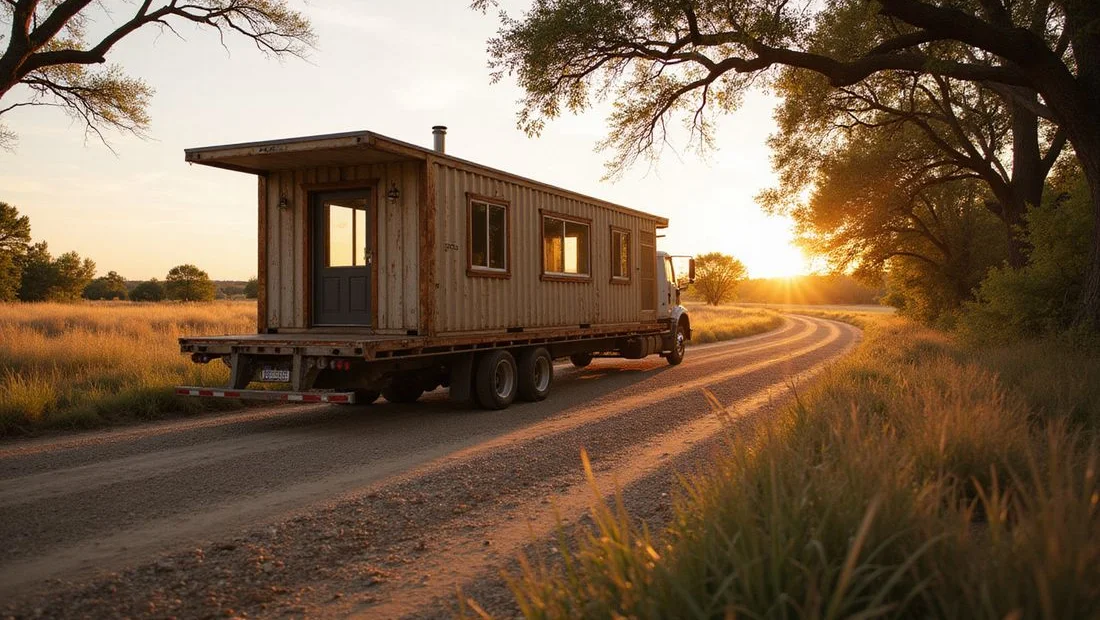
We review the exact approach route with you before scheduling so the structure lands precisely where you want it. Trees, low-hanging power lines, and narrow ranch gates are the most common obstacles that halt a drop-off.
To ensure a successful container cabin remote land delivery, you must verify the space needed for the truck to pull out.
| Container Size | Minimum Width | Minimum Vertical Clearance | Straight-Line Pull-Away Space |
|---|---|---|---|
| 20-Foot Unit | 12 Feet | 14 Feet | 60 Feet |
| 40-Foot Unit | 12 Feet | 14 Feet | 120 Feet |
Taking a tape measure to your access road right now will prevent a costly rescheduling fee later.
Leveling
Creating a level pad requires a machine operator to scrape away the topsoil and compact the earth underneath. The structure must sit perfectly flat, which keeps the heavy steel doors, weather shutters, and internal framework operating correctly.
On raw land, this usually involves hiring a local contractor to grade a designated footprint. Rough grading for a sloped site typically costs between $1.00 and $2.00 per square foot in 2026.
Our project managers recommend clearing a perimeter that is at least five feet wider than the building itself. This extra space provides room for the installation crew to work and helps divert water away from the foundation.
Pro-Tip: Do not use loose fill dirt to level a steep slope without heavy compaction. The sheer weight of the steel will compress uncompacted soil, causing the entire building to sink unevenly after the first heavy rain.
Foundation Options
Piers and engineered helical piles provide the most reliable support for off-grid builds without pouring a massive concrete slab. These anchor points carry the heavy load straight down to stable ground, adapting easily to uneven or rocky terrain.
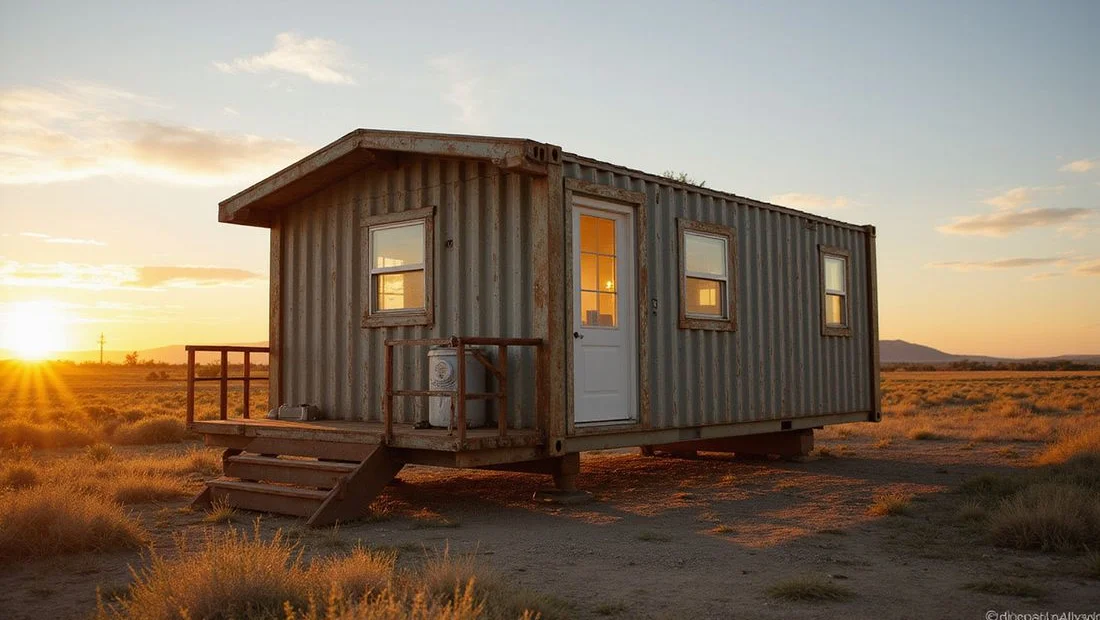
We match the anchoring system directly to your soil composition and site access. Helical piles act like giant steel screws driven deep into the earth using hydraulic machinery.
Recent pricing data from 2026 shows that commercial-grade helical piles cost anywhere from $1,500 to $4,000 per pile installed. Most standard residential footprints require between 8 and 12 support points.
Here is why many buyers choose piles over traditional concrete slabs:
- Zero cure time: You can load the heavy steel units onto the piles immediately after installation.
- Minimal excavation: They require almost no earth removal, preserving the natural site.
- Weather independent: Crews can drive piles in freezing temperatures or wet conditions.
- Cost control: A standard slab in a remote area often incurs massive concrete delivery surcharges.
Utility and Off-Grid Hookups
Generating your own electricity and managing waste on-site are mandatory since most rural lots lack municipal services. A solid combination of solar panels, battery storage, and a septic system makes the entire property completely self-sufficient.
Our comprehensive guide on off-grid utilities covers the exact sizing formulas for each required system.
Current 2026 component costs make energy independence more accessible than ever. A complete 5kW off-grid solar kit, like the EG4 6000XP bundle, costs roughly $6,800 and provides enough daily power for standard appliances and lighting.
When a traditional septic tank is not feasible due to rocky soil, high-end composting toilets offer a clean alternative.
| Toilet Model | Average Cost | Power Need | Notable Feature |
|---|---|---|---|
| Separett Villa 9215 | $1,000 | AC/DC Fan | No manual cranking required |
| Nature’s Head | $1,030 | 12V Fan | Self-contained for tight spaces |
Catching rainwater is another practical move for remote locations. A standard roof measuring 1,000 square feet can harvest approximately 620 gallons of water from just one inch of rainfall.
Permitting on Rural Acreage
Rural counties generally enforce fewer building codes than city limits, but you will still need specific approvals for waste management and electrical tie-ins. Every jurisdiction is different, so verifying the local rules prevents unexpected stop-work orders during your build.
We help you identify these regulatory touchpoints early so nothing stalls your timeline. Start by reviewing the container hunting cabins lineup, and our staff will gladly formulate a site plan with you.
If you plan to set up a container cabin on rural land, septic compliance is usually your biggest regulatory hurdle. A rural cabin permit Texas buyers apply for falls under the On-Site Sewage Facility rules managed by the Texas Commission on Environmental Quality.
Check these common rural permitting factors before purchasing land:
- Minimum acreage requirements: Some counties require at least 10 acres to avoid strict septic permitting.
- Setback distances: Structures and waste systems must remain specific distances from property lines.
- Agricultural exemptions: Active farming or hunting land sometimes qualifies for lighter building restrictions.
Always secure written confirmation from your local environmental health department before breaking ground. Assuming an exemption applies without official verification is a fast way to incur heavy fines.
Our team is ready to answer any questions about site preparation and modular design. Reach out to our planning department today to discuss how to set up a container cabin on rural land and secure the perfect build for your needs.