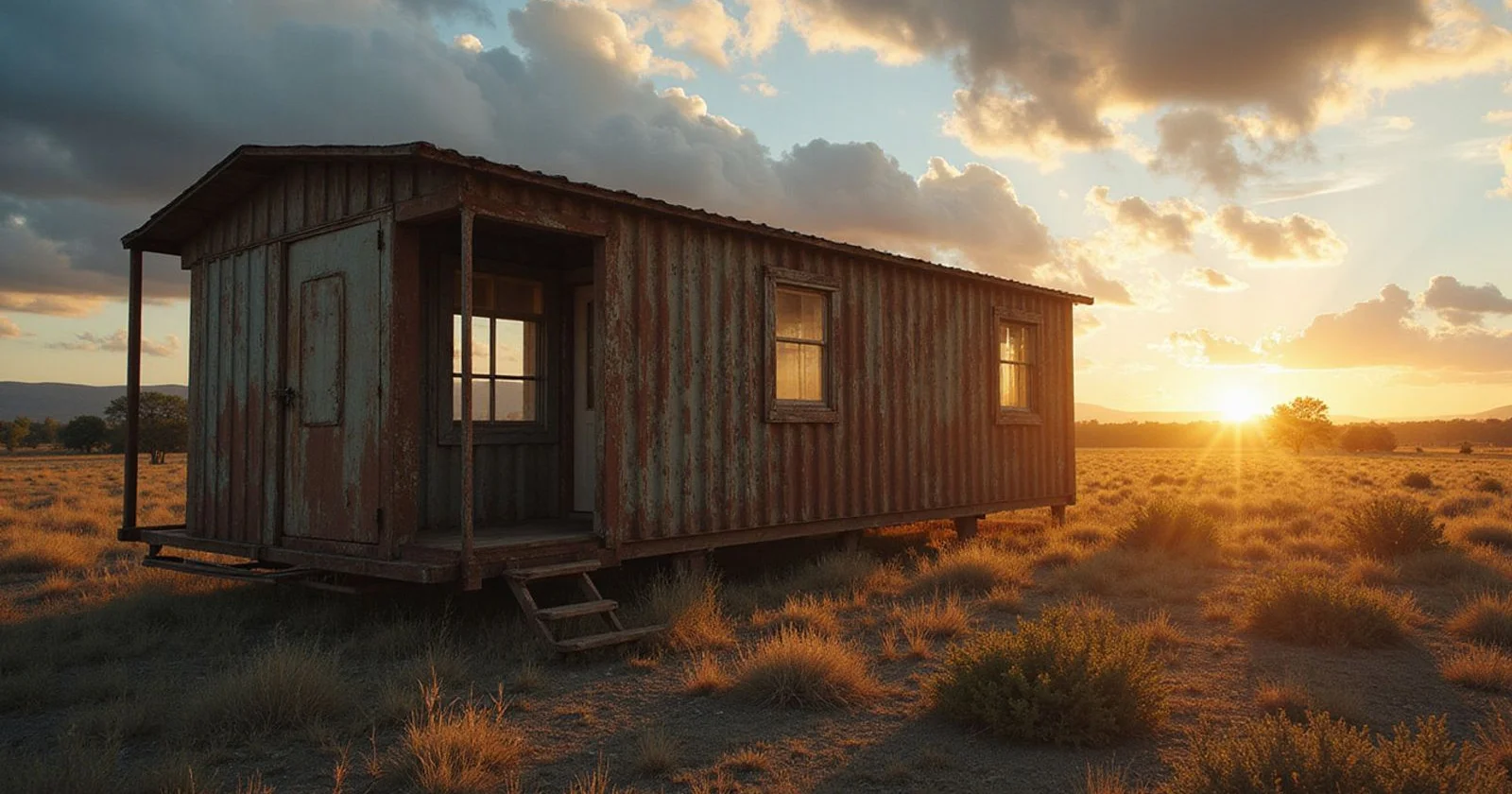
Built for the Back Forty
We hear the exact same frustration from property owners across the state. You buy a trailer for the remote lease, and the brutal Central Texas sun strips up to 30 percent of its protective paint in just three years.
Our team at ATX CONTAINER HOMES knows finding the kind of durable hunting cabin texas landowners rely on requires a totally different approach. A premium modular container cabin is built specifically for these punishing conditions.
Let’s look at the hard data on material lifespan and outline exactly why steel structures survive where traditional options fail.
Corten Steel Weather Resistance
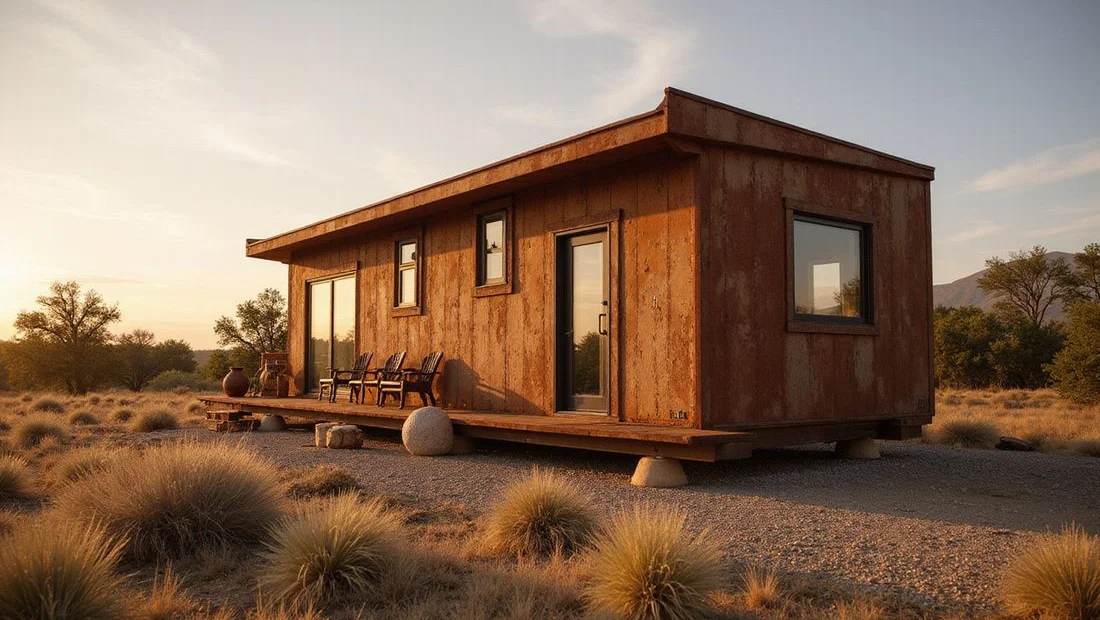
Container cabins start as weathering steel. This specific alloy, originally trademarked as COR-TEN by US Steel, is designed to cross oceans and resist severe corrosion.
We use this material because it forms a natural protective rust patina. This outer layer shields the internal steel from further decay. In a moderate rural environment like the Texas Hill Country, this material boasts an impressive lifespan of 40 to 120 years.
“Covering a container with a tight tarp is a huge mistake. Weathering steel actually requires exposure to natural wet and dry cycles to form its protective rust patina correctly.”
Our clients love how little attention the exterior requires. Trapped moisture prevents the rust layer from sealing the steel.
The bare shell easily shrugs off sun, rain, and temperature swings year after year.
Pest and Rodent Resistance
This is where a heavy-duty container pulls far ahead of an RV. Sealed steel gives rats and mice absolutely nothing to chew through.
We constantly see hunters dealing with massive repair bills because modern RVs use soy-based electrical wiring insulation. Field mice treat this organic material like an all-you-can-eat buffet. Recent industry data shows up to 30 percent of RV owners experience expensive rodent damage.
Our goal is to provide a truly rodent proof hunting cabin. When pests attack a standard trailer left closed up for months, a full wiring harness replacement can cost anywhere from $2,500 to over $8,000.
A steel structure eliminates the most common entry points found on recreational vehicles:
- Soft Underbellies: No thin fiberglass bottoms that tear easily.
- Slide-Out Seals: No rubber gaskets that degrade and create gaps.
- Plastic Vents: No flimsy roof plumbing vents for rats to chew.
There are simply no soft materials or hidden openings on a shipping container. Pests stay outside, and your electrical systems remain safe.
Low Maintenance
A hunting lease should be a place to relax, not a place to perform endless chores. Between hunts, a container cabin mostly just sits there and holds up.
We build these units without the fragile components that plague traditional campers. You completely bypass the typical weekend repair checklist:
- Roof Resealing: No EPDM rubber membranes to carefully scrub and recoat every year.
- Slide-Out Maintenance: No motorized tracks binding up in the hot Texas sun.
- Rot Prevention: No wooden wall framing to rot away from hidden plumbing leaks.
Our designs eliminate these major failure points entirely. By removing these weak links, your property stays ready for your arrival.
This reliability is the whole point of owning a structure. You want a shelter that waits for you, rather than one demanding work on land you only visit a few times a year.
Hail and Wind Performance
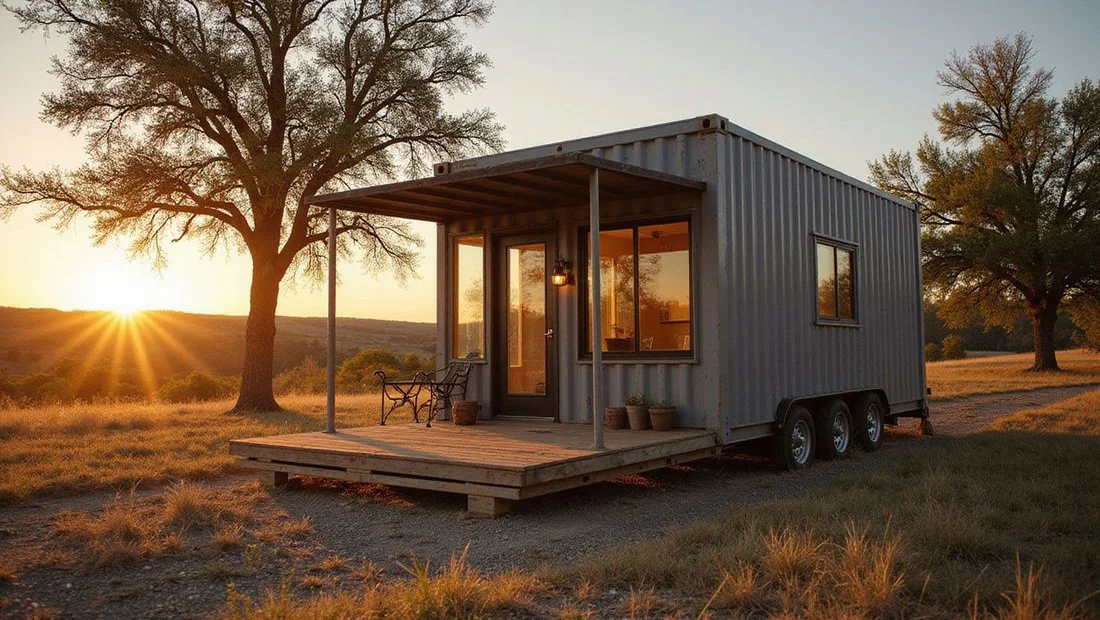
The corrugated steel shell takes severe weather far better than an RV’s fiberglass siding. The rigid structure handles high winds with incredible ease.
We regularly hear from owners reporting their cabins coming through Texas hailstorms without a single dent. Traditional campers often suffer shattered skylights and ruined siding in those same storms.
Our containers offer massive wind resistance right out of the factory.
| Structure Type | Anchoring Status | Max Wind Speed Rating |
|---|---|---|
| Standard RV / Travel Trailer | Unanchored | 60 - 75 mph |
| Shipping Container | Unanchored | 130 - 150 mph |
| Shipping Container | Properly Anchored | Up to 175 mph |
You can maximize this safety factor by using proper foundation tie-downs. When securely anchored to the ground, these heavy-duty units survive hurricane-force gusts.
This structural integrity provides lasting peace of mind. Your remote property remains secure no matter what the forecast brings.
Longevity
Put all these factors together, and a steel structure clearly lasts for decades. These units hold their value, while a traditional camper quickly depreciates and deteriorates.
We always warn buyers about the harsh financial reality of buying a new trailer. The difference in asset retention over a five-year period is staggering:
- New Class A RVs: Lose 20 to 30 percent of value in year one.
- Fifth-Wheel Trailers: Can drop up to 45 percent in value by year five.
- Container Cabins: Maintain value for decades due to a 40-plus year structural lifespan.
Our buildings offer a completely different financial trajectory. When you factor in true container cabin durability, the long-term savings are undeniable.
You can easily explore the exact differences in our detailed comparison. For the full head-to-head breakdown, read our guide on cabin vs RV.
It is time to stop repairing fragile trailers and invest in something permanent. To view available floor plans, see the container hunting cabins lineup.