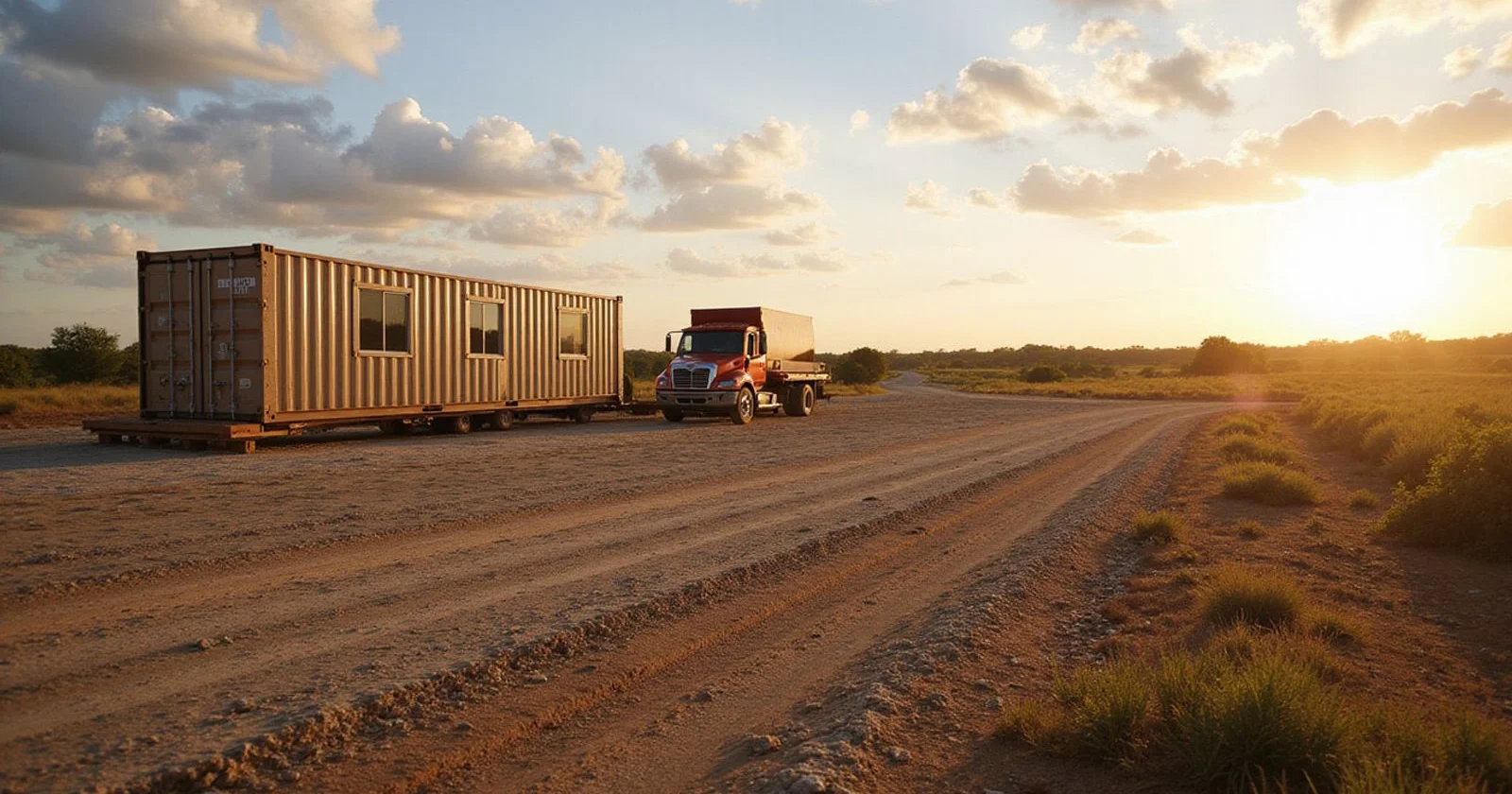
We notice that proper container home site prep separates a smooth housing drop from an expensive delay.
Heavy spring rains and shifting soils often turn rural acreage into a logistical trap.
ATX CONTAINER HOMES understands these specific hurdles deeply, focusing always on durable modular construction solutions. Our crews require strategic land preparation before any property can safely hold a heavy steel unit.
This guide breaks down the exact clearance numbers required for delivery trucks. Let’s look at the current 2026 utility data and explore practical ways to respond.
Access Roads and Delivery Clearance
A standard tiltbed delivery truck needs a minimum width of 12 feet to provide safe container home delivery access. Low-hanging branches or narrow gates easily block a 40-foot unit.
We review the entire delivery route weeks before your scheduled drop date. This advance check prevents expensive surprises on the day of installation.
Recent data from 2026 shows that clearing light brush in Texas costs between $1,500 and $3,000 per acre.
Our team recommends handling any necessary tree trimming or brush removal early in the planning phase. Hiring local contractors for this work generally keeps costs lower.
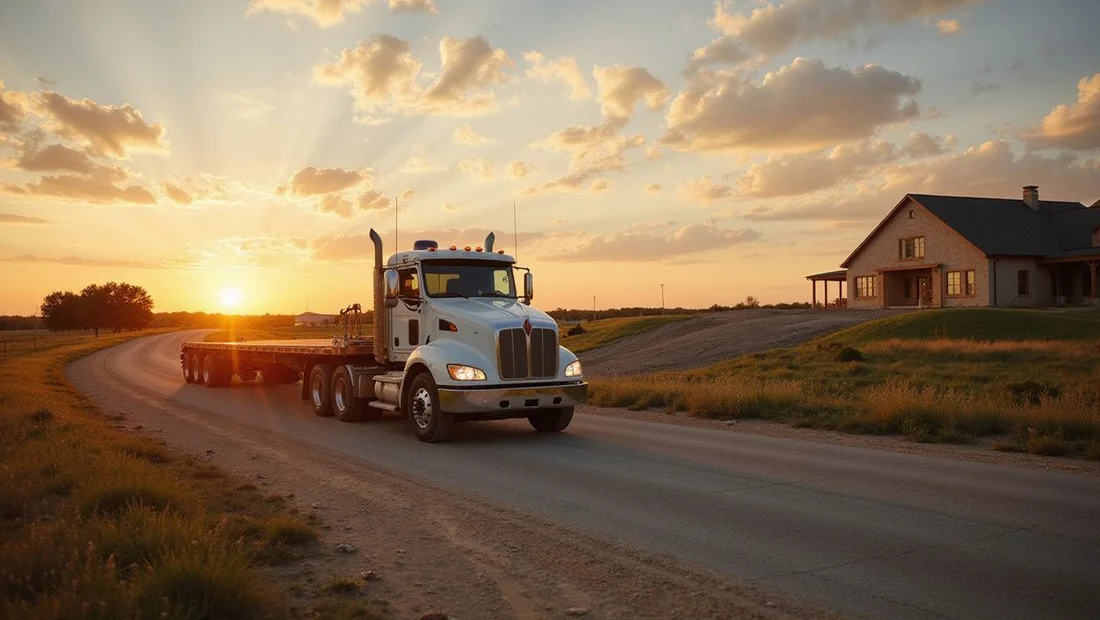
Here are the essential clearance rules for a smooth delivery:
- Maintain a 12-foot minimum road width.
- Clear all tree branches up to 16 feet high.
- Compact the dirt path to support 30,000 pounds.
- Ensure the turning radius accommodates a long trailer.
Leveling the Pad
A perfectly graded pad prevents structural stress and ensures your doors open smoothly over time. Texas soils present unique challenges that demand specific engineering choices.
We always prioritize matching the foundation to the specific soil composition of your lot. The Blackland Prairie region contains expansive clay that exerts massive lateral pressure during seasonal changes.
Grading the pad properly and choosing the right foundation keeps the unit level for the long haul.
| Foundation Type | Best Application | 2026 Average Cost (Texas) |
|---|---|---|
| Drilled Pier System | Expansive clay and heavy slopes | $18,000 - $40,000 |
| Post-Tensioned Slab | Moderate expansive soils and flat sites | $15,000 - $35,000 |
| Wood Pier & Beam | Flood zones and highly stable soils | $16,000 - $28,000 |
Engineers usually mandate specific foundation styles for these tough soil zones. A 12-inch drilled pier system typically needs to extend 8 to 15 feet deep to reach stable ground.
Our foundation plans account for these extreme shifts in moisture and soil density. You must evaluate your site carefully to pick the best base.
Off-Grid Utility Connections
Rural land often lacks municipal utility hookups entirely. You will likely need to install independent systems for water, power, and waste management.
We spec complete utility layouts for remote sites with zero existing services. A standard off-grid setup usually requires an independent well, a solar array, and a dedicated septic system.
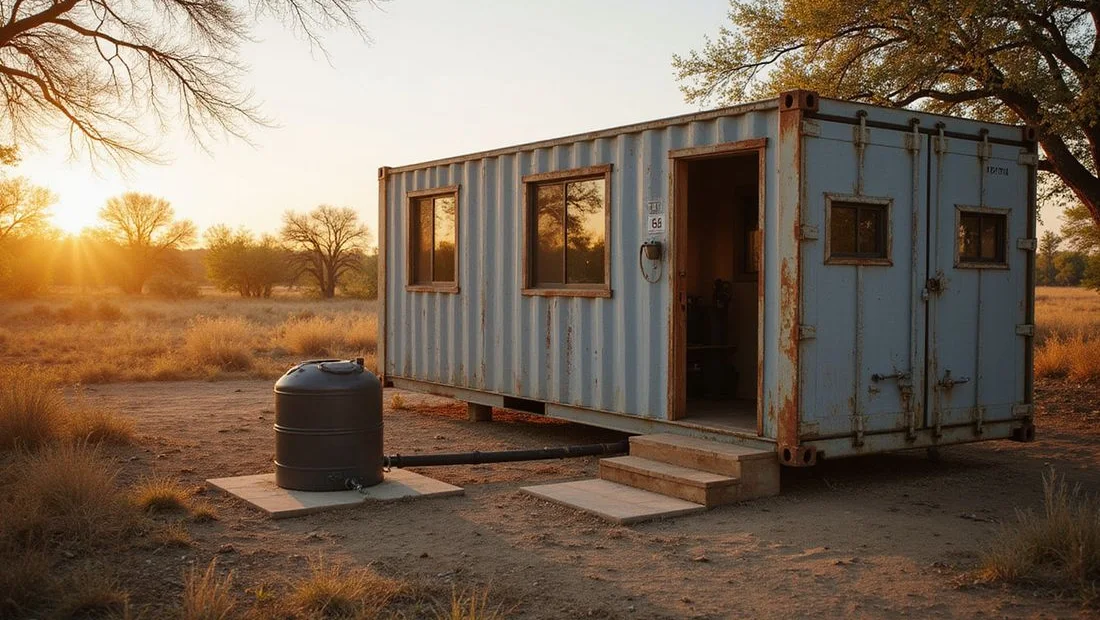
Current 2026 market data indicates that an aerobic septic system in Texas costs between $10,000 and $20,000. This higher price tag comes from the rocky terrain and clay soils found throughout the Hill Country.
A reliable well installation typically adds another $5,000 to $15,000 to your site preparation budget.
Our network of contractors helps property owners manage these specific utility installations. Off-grid solar power systems currently range from $15,000 to $35,000 depending on your required energy load.
Common off-grid power components include:
- High-efficiency solar panels.
- Lithium-ion battery storage banks.
- Propane backup generators.
- Heavy-duty charge controllers.
Permitting Touchpoints
Local building codes and county rules dictate your timeline before construction even begins. Unincorporated rural areas in Texas might lack strict zoning laws, but they still require specific environmental approvals.
We flag the necessary permit touchpoints so you can line them up well before delivery. The Texas Commission on Environmental Quality strictly regulates all On-Site Sewage Facilities across the state.
“Assuming your rural property is completely unrestricted is a very common mistake. Always verify septic and floodplain requirements with the county environmental office first.”
A certified soil evaluation must happen before any county health department issues a septic permit. Certain rural plots qualify for the 10-acre rule exemption regarding septic regulations.
This specific loophole allows a single-family dwelling on ten or more acres to bypass the standard approval process.
Our team always verifies local regulations because rules vary wildly between neighboring counties. You still must complete a formal soil evaluation even if your large acreage qualifies for the exemption.
What ATX Handles vs the Owner
Clear communication regarding project responsibilities prevents costly delays during the site preparation phase. The landowner and the builder must function as a unified team to hit the delivery deadline.
We deliver the finished unit, help plan delivery access, and outline the necessary utility specifications. You will then hire local professionals to execute the physical land clearing, dirt grading, and permit applications.
| Task Category | Handled By ATX | Handled By Owner |
|---|---|---|
| Home Construction | Yes | No |
| Utility Specifications | Yes | No |
| Land Clearing & Grading | No | Yes (via local contractors) |
| Permit Applications | No | Yes (with ATX guidance) |
This split approach saves you money by utilizing local contractors for heavy machine work. The strategy also keeps the central project timeline moving forward efficiently.
Our consultants offer continuous guidance while your local teams prep the ground. Tell us the specific details about your lot so we can map out a precise action plan before your pre-built home officially ships.
Final Thoughts on Site Preparation
Executing proper container home site prep takes time, budget, and careful planning. You must carefully prepare land for container home placement to ensure long-term stability.
We want your housing project to succeed without any unnecessary stress or surprise expenses. Review your county rules, hire reliable local grading contractors, and secure your utility plans early. Start evaluating your rural property today and contact our office to discuss your delivery logistics.